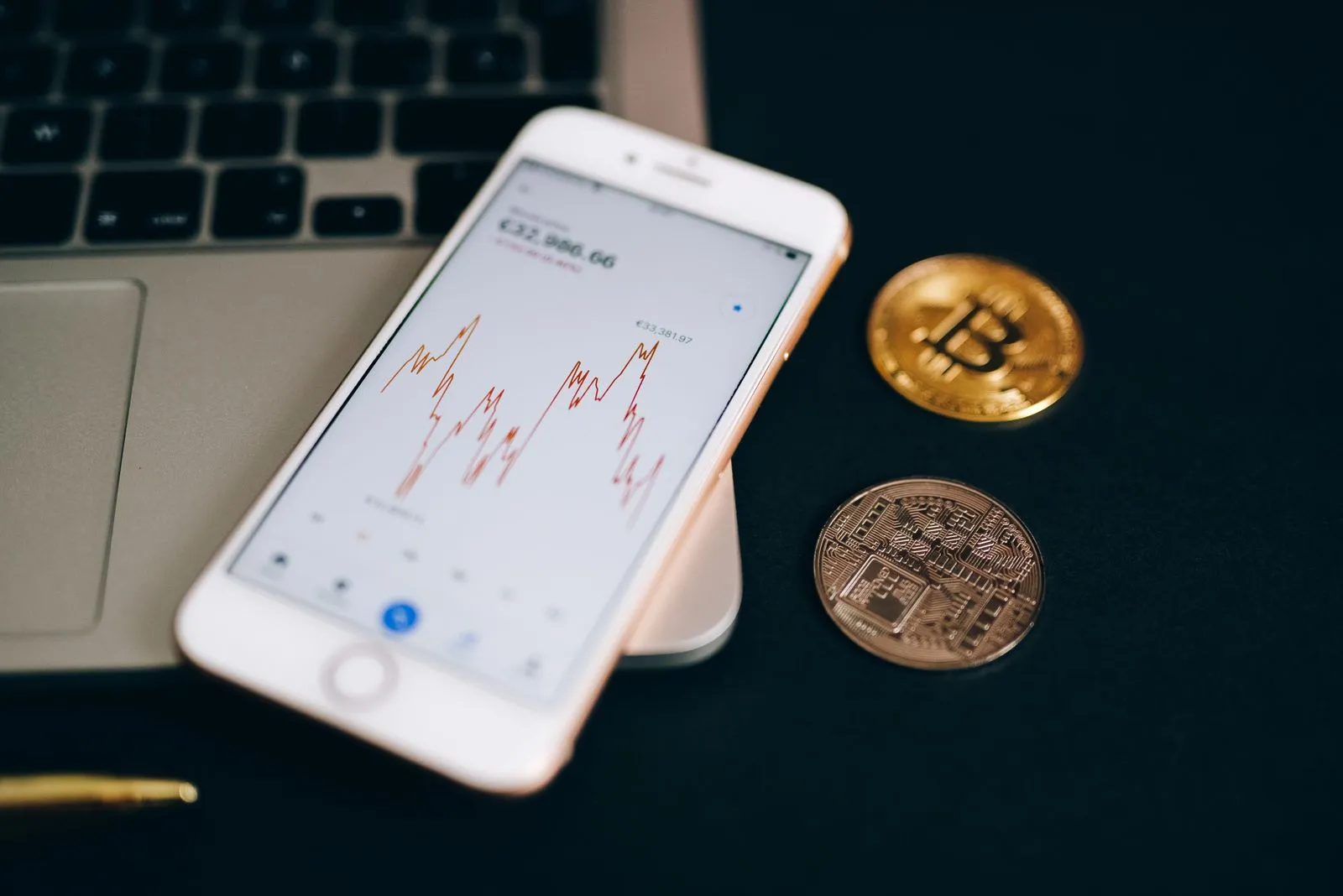
Cryptocurrency prices can change dramatically even when there is no major economic announcement or breaking news. Sometimes, the explanation lies in how many buyers and sellers are available at a particular moment. Someone researching the best crypto trading platform should understand that market liquidity plays an important role in pricing, transaction costs, and order execution.
Liquidity is often overlooked because price charts receive most of the attention. However, two markets displaying similar price movements may offer very different trading conditions. Understanding how available orders influence transactions can help individuals approach cryptocurrency markets with more realistic expectations and better awareness of financial risk.
Understand What Market Liquidity Means
Liquidity describes how easily an asset can be bought or sold without causing a substantial change in its market price. A liquid market generally contains enough active participants to support transactions near prevailing quotations.
Lower liquidity creates different challenges. When fewer orders are available, relatively small transactions may contribute to noticeable price movements. This can make entering and exiting positions more difficult, particularly during periods of uncertainty or reduced participation.
Learn How Order Books Function
An order book displays available buying and selling instructions at different price levels on an exchange. Buyers submit bids, while sellers place offers. The difference between the highest available bid and lowest offer forms the bid-ask spread.
Traders exploring crypto calculator profit tools should recognize that estimated gains may differ from actual outcomes because of spreads and execution costs. Calculators can illustrate possible results, but they cannot guarantee the prices received during real transactions.
Recognize Why Trading Volume Matters
Trading volume represents the amount of an asset exchanged during a particular period. It can provide context about market participation and help explain why certain price movements attract attention.
However, high reported volume does not automatically guarantee favorable liquidity. Activity may be concentrated on particular exchanges or instruments. Traders should examine available pricing conditions rather than treating one volume figure as proof of market stability.
Examine The Causes Of Price Gaps
Price gaps occur when transactions take place at levels noticeably different from previous quotations. These changes may follow unexpected announcements, sudden shifts in demand, or periods when available liquidity becomes limited.
Such movements can create difficulties for traders relying on specific entry or exit prices. Protective orders may execute away from their intended levels. Understanding this possibility is important when assessing the potential consequences of adverse market developments.
Consider Differences Between Trading Venues
Cryptocurrency markets operate through numerous exchanges and trading services. Prices can differ slightly between venues because of liquidity, transaction costs, and the availability of buyers and sellers.
Individuals should also distinguish between purchasing cryptocurrency directly and trading cryptocurrency CFDs. CFD positions generally provide exposure to price movements without transferring ownership of the underlying digital asset. Their financing arrangements and trading schedules may differ from those of spot exchanges.
Understand How News Affects Liquidity
Major announcements can change market participation within seconds. Regulatory developments, security incidents, and unexpected institutional activity may encourage some participants to withdraw orders while others enter the market aggressively.
When liquidity changes rapidly, spreads may widen and execution conditions can deteriorate. Traders should avoid assuming that increased volatility always creates attractive opportunities. A market moving quickly may also expose participants to substantial losses.
Use Position Sizing To Control Exposure
Position sizing determines how much financial exposure a trader accepts during a transaction. Choosing an appropriate size becomes particularly important when liquidity is uncertain, or prices are changing rapidly.
Leverage increases these concerns because it magnifies gains and losses relative to committed margin. Traders should understand contract specifications and possible liquidation conditions before opening leveraged positions. Smaller exposure may reduce certain risks, although it cannot eliminate them.
Develop A Liquidity Observation Routine
Studying liquidity does not require reacting to every price movement. Traders can observe spreads during different market sessions, compare conditions around important announcements, and document periods of unusual volatility.
A written record may reveal when execution conditions become less predictable. Reviewing several observations provides better context than relying on one unusual event. Traders should use these findings to improve preparation rather than assume that historical liquidity patterns will always repeat.
Conclusion
Cryptocurrency liquidity influences transaction pricing, market volatility, and the practical challenges of entering or exiting positions. Understanding order books, trading volume, price gaps, and changing participation can help traders evaluate market conditions more carefully. Educational resources and trading tools accessible through tradewill.com may support further research and market observation. Nevertheless, liquidity analysis cannot guarantee favorable execution or profitable outcomes. Responsible trading requires appropriate exposure limits, independent evaluation, and realistic expectations about the risks associated with volatile financial instruments.